
The lectionary texts in August give us an opportunity to look at some foundational figures in Hebrew Scripture and the enduring ways their stories inform our own. Something I noticed as I read through them together was that not only are we being introduced to persons whose stories form the foundation of our understanding of God’s covenant love for God’s people (no small thing) – we’re also seeing some foundational themes about the way God works in our lives and in human history (talk about sowing seeds).
Jacob’s wrestling with the angel (August 2) is a story not only about Jacob and how he got his limp. It’s also a story that suggests that wrestling and struggle are part of our relationship with God. It comes in the night (the dark night of the soul, perhaps); it also comes in the daytime. It’s easy to spiritualize the wrestling match, but we’d do well to take note of our siblings in faith whose struggle happens over decades and centuries, against oppression as well as principalities and powers.
Joseph’s two-part story (August 9 and 16) of his brothers’ deceitful handling and his own eventual rise to power are together a look at the long arm of providence. This is surely a central theme in Hebrew Scriptures. Dr. Martin Luther King Jr said the moral arc of the universe is long, but it bends toward justice. This text also suggests that the moral arc of providence is an opportunity for mercy and forgiveness.
Shiphrah and Puah (August 23) are two names I will never forget. This is likely because I did poorly on an Old Testament pop quiz in my first year of divinity school for not remembering their names. What do we make of a story that does not ever mention the name of the Pharaoh who made the lives of the Hebrews full of suffering, yet remembers the names of two midwives who ensured the survival of a people? What does that tell us about whose side we are to be on? The theme of justice, and of subverting oppressive powers, begins here before Moses ever confronts Pharaoh.
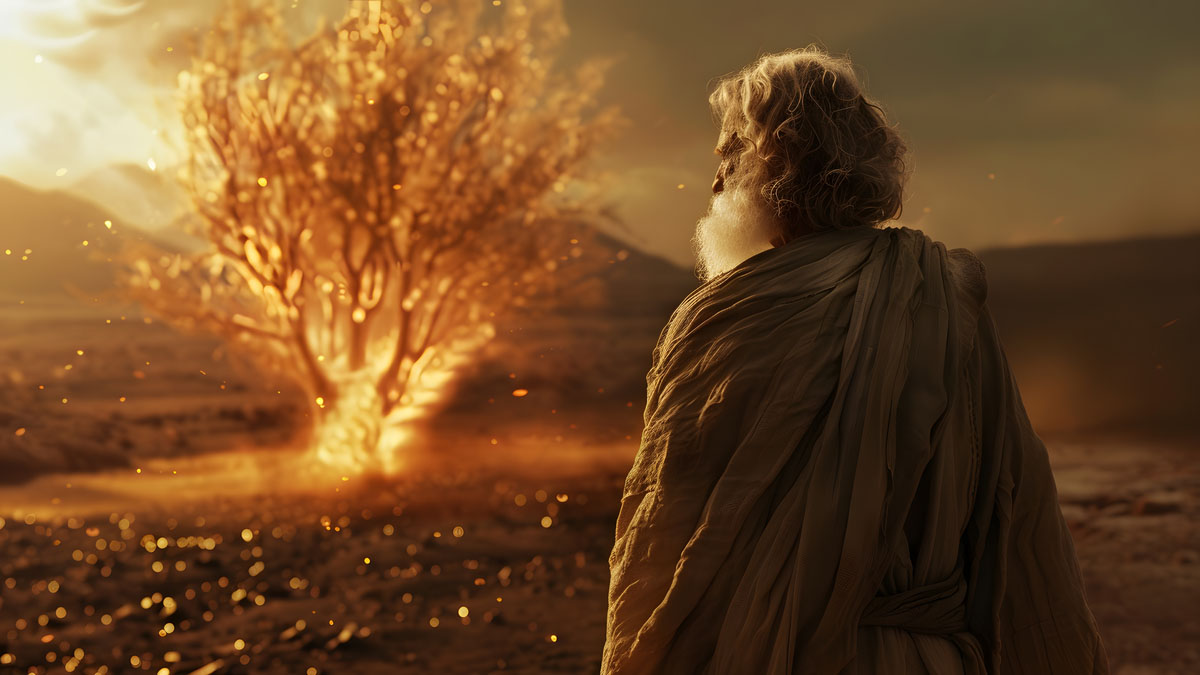
We do meet Moses on (August 30) when he is captivated by a bush that burns without being consumed. Many of us might narrate our own call to ministry with a nod to God’s ability to captivate us. It’s also, I think, an opportunity to be reminded of the theme of God’s presence that will be with God’s people on the way through the wilderness as they struggle toward Canaan.
May God bless your preaching and preparation!
Peace,
Claire